
It’s been a busy few months in my life.
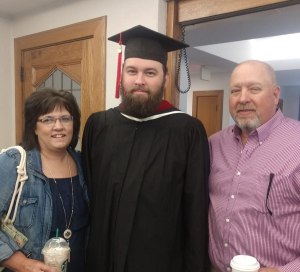 In May, I graduated from Garrett-Evangelical Theological Seminary with my Master’s Degree in Theology and Ethics. My master’s thesis, titled A God Who Can Suffer And Die: Putting Moltmann’s Crucified God to Work in Rural White Working Class Communities, is finished and published on ProQuest (and you’ve all seen glimpses here). I have moved back to Tulsa, after two years in Chicago, and in about two weeks, I will begin work as a 5th grade teacher at Clinton West Elementary School here, after an intense summer in the Tulsa Teacher Corps learning on the fly how to become an emergency certified teacher.
It’s been, needless to say, a fairly busy eight months.
Teaching elementary school is going to be a whole new beast this year, one which probably won’t allow me to write much (not like I’ve been keeping up well doing that anyways.) As always, I am hopeful otherwise. I am trying to stay theologically active, despite the end of my seminary career, through writing here, through lots and lots of reading (more on that in a moment), through my regional wing of the American Academy of Religion, and through active correspondence with fellow theologians. I have embraced being labeled a theologian, but that means I need to be active. Again, here’s hoping.
So, hopefully I’ll be writing here somewhat regularly. I’m trying to be intentional about my online presence going forward, and I want this WordPress space to be part of that. Besides this, I have recently set up a Micro.Blog account that I hope can redirect me towards a more sustainable, more healthy version of social media usage (I’ve documented my struggles with social media in the past here.) The Micro.Blog account will be for shorter musing that don’t necessarily warrant an entire blog post, but they may evolve into posts here! I hope you’ll connect with me in you are also there. Finally, following the lead of a couple of voices I have great respect for (and some envy of), I am toying with the idea of a regular email newsletter, that will serve as more of a status update space, as well as a place to do further writing. (Alan Jacobs’ newsletter has been a great inspiration, along with a few others. I encourage you to check his out, and subscribe.) If and when I get that going, I’ll share a subscribe link here.
One thing I do want to try to do here (something that will hopefully make me write
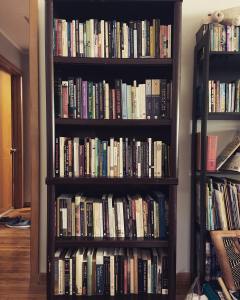
more) is share what I’ve been reading. I do use the Goodreads app to keep track of my reading and whats on my shelf. But I want to be thinking and writing thoughtfully about what I’m reading. So, as I finish books here, I will probably at least document the fact that I finished something, and maybe share some thoughts the books raise for me. I’ve come into possession of a collection of almost all the major works by Yoder and Hauerwas, so I’m concentrating on those this summer and fall and will have a lot to say about them more than likely.
As mentioned above, I also am staying involved with AAR, and I have a paper idea I need to get worked up by October, so I’ll probably share some of that here. I also want to not only write, but be in conversation with others about theology and ethics and religion and society and all of the things. So, comment away on the posts you find here, and I will strive to be better at interacting than I have been recently!

