
…I want to speak of…the practice…of using the rural ministry as a training ground for young minsters, and as a means of subsidizing their education. No church official, apparently, sees any logical, much less any spiritual, problem in sending young people to minister to country churches before they have, according to their institutional superiors, become eligible to be ministers. These student ministers invariably leave their rural congregations that have sponsored or endured their educations as soon as possible once they have their diplomas in hand. The denominational hierarchies, then, evidently regard country places in exactly the same way as “the economy” does: as sources of economic power to be exploited for the advantage of “better” places. The country people will be used to educate minsters for the benefit of city people (in wealthier churches) who, obviously, are thought more deserving of educated ministers. This, I am well aware, is mainly the fault of the church organizations; it is not a charge that can be made to stick to any young minister in particular: not all ministers should be country ministers, just as not all people should be country people. And yet it is a fact that in the more than fifty years that I have known my own rural community, many student ministers have been “called” to serve in its churches, but not one has ever been “called” to stay. The message that country people get from their churches, then, is the same message they get from “the economy”: that, as country people, they do not matter much and do not deserve much consideration. And this inescapably imposes an economic valuation on spiritual things. According to the modern church, as one of my Christian friends said to me, “The soul of the plowboy ain’t worth as much as the soul of the delivery boy.”
Wendell Berry, “God and Country” in What Are People For?
Wendell Berry wrote these words almost 40 years ago, and I don’t think a lot has changed on this front with the church. I saw this dynamic at play during my time in seminary, and experienced it myself in the brief time I was in the ordination process with the United Methodist Church. Rural churches are one of two things: training grounds, or dumping grounds. Letting young ministers flounder along and learn, or stashing undesirable or troublesome ministers somewhere where they won’t have much influence. In the church, there are “elite” church settings, and there is a striving upward, a hierarchy of status which is shown by the congregations one has had the chance to “serve.” It’s just another way much of the church has accepted the assumptions and practices of modernity and a capitalist system.
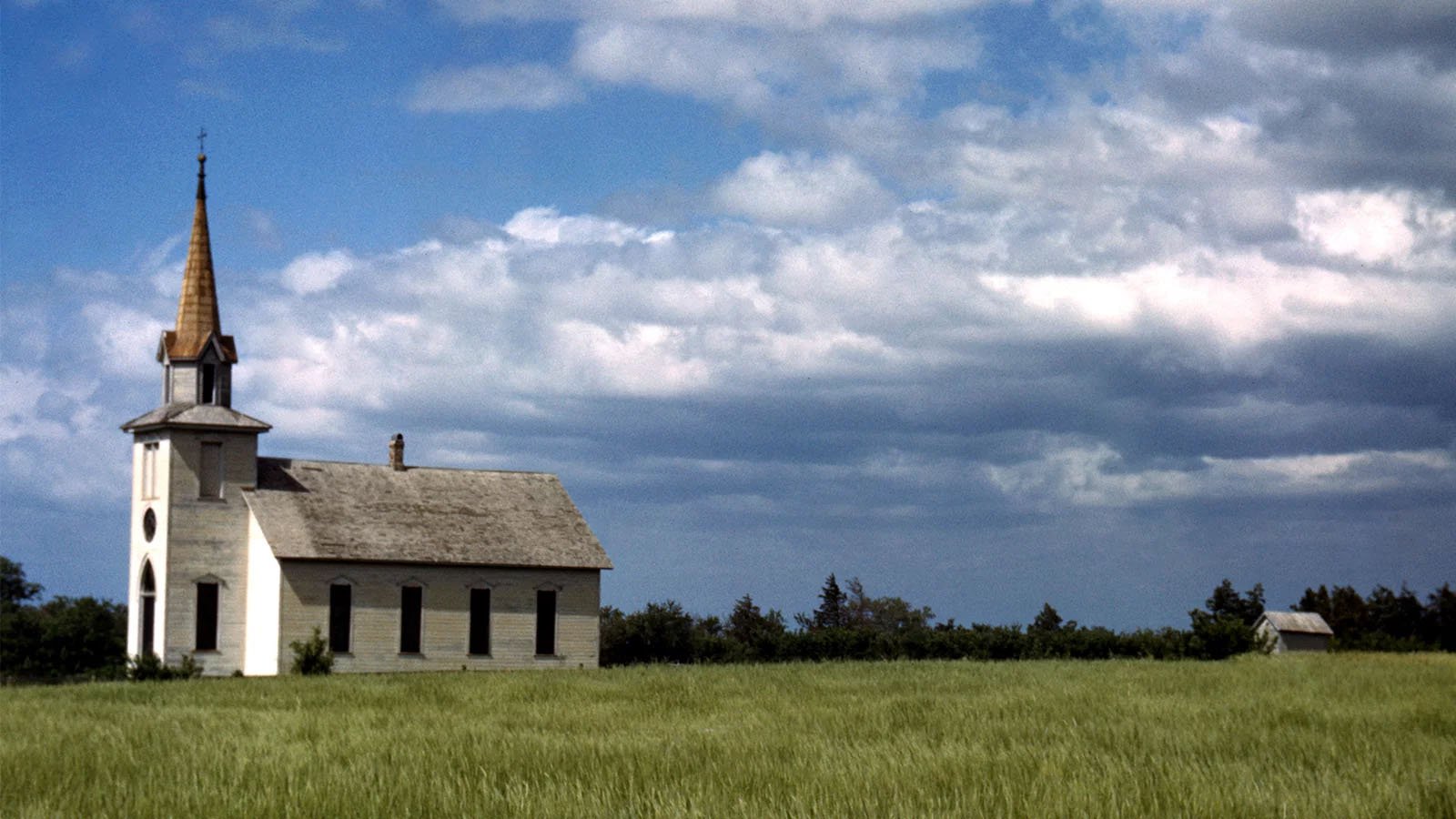
Rural churches used to be part of the foundation of small towns, and while I don’t think there is a direct cause-and-effect relationship, I do think the destruction of small town America is exemplified in some ways by the disregard many larger denominational bodies have for rural and small town churches. These churches are peopled by Christians who may not offer the national church much in the way of money or material resources or clout, but, I ask again, is significance and productivity the end we are looking for as Christians? Small churches should be nurtured, cared for, and called upon because of their identity as fellow siblings in Christ, not for what they can offer us in terms of a return on investment.

 Justin DaMetz