I’ve been very alarmed by weather trends this summer. It’s been really, really hot. Alarmingly so. Even here in Oklahoma, where long, hot, humid summers are the norm, the difference has been noticeable. I’ve had to limit the amount of times my kids are spending outdoors, and I worry every time they climb on or off the trampoline, that the metal frame is going to burn them. Watching the news is equally alarming, with talk of record high averages worldwide, extreme temperature streaks across the American southwest, and wildfires increasingly common. Its really hard to look at the weather and come to the conclusion that things aren’t different than they used to be. To deny this is the case is to stick ones head in the sand. Kevin Drum is consistently good on climate issues, and this is him Tuesday:
In the 1960s, we could expect maybe two heat waves of three days each in a typical year. Today we can expect six heat waves of four days each. The overall summer heat wave season has tripled from 20 days to 70 days.
If you wish, you’re welcome to pretend this is just the normal variability of climate. Sometimes it’s hot, sometimes it’s cold.
But that would make you an idiot. This is all due to global warming, and it’s an excellent example of how a smallish change in average temperature can produce massive extremes at the edges. The same phenomenon is at work with sea level changes, where a modest change of just a few inches can produce killer storm surges.
A dozen years ago I wrote:
The fact of climate change will become undeniable [by 2024]. The effects of global warming, discernible today mostly in scary charts and mathematical models, will start to become obvious enough in the real world that even the rightest of right wingers will be forced to acknowledge what’s happening.
I got the first sentence dead on. But I’m still not sure about the second. Right wingers have turned out to be far more stubborn than anyone could have imagined.
This heat is not normal, and we shouldn’t act like it is. Its scary, especially as a parent. And it comes with an added layer of fury, that so many could just continue to deny reality and not care. Their indifference is driving a new extreme reality for the rest of us, one we didn’t ask for and knew could be prevented.
From a theological perspective, this kind of indifference and intentional refusal to act is very obviously sinful, especially because those who will be most effected will be the least among us, those who cannot afford or don’t live in places with high-powered AC units or the ability to relocate. We are, once again, abandoning the vulnerable among us. And, as Rowan Williams points out, this is due to an ill-formed view of what Creation is for:
“Our present ecological crisis, the biggest single practical threat to our human existence in the middle to long term, has, religious people would say, a great deal to do with our failure to think of the world as existing in relation to the mystery of God, not just as a huge warehouse of stuff to be used for our conveinence.”
Earth is, in the common capitalist, modern worldview, a giant container of resources meant to be exploited for economic growth. But that’s not what Scripture tells us. Creation belongs to God, and we are stewards of it. And we have a really, really bad track record of stewardship.
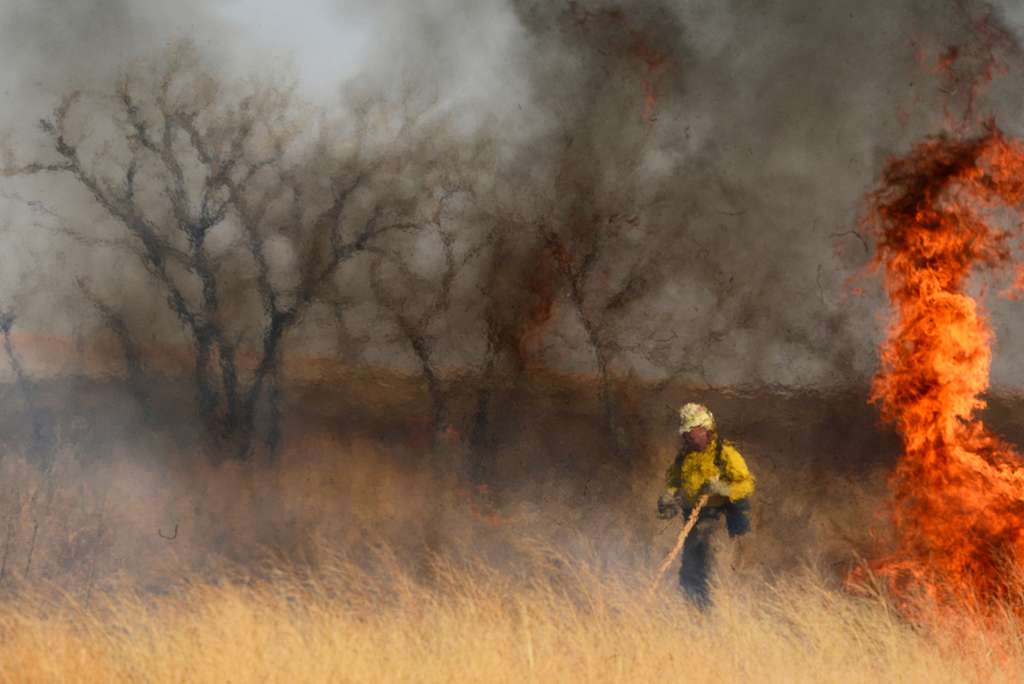
All of this ties to much of the emphasis I gleaned from Wendell Berry, about our proper relation to nature and agriculture and how we use our natural resources. We certainly aren’t called to leave nature untouched, but neither are we too destroy and build over. There are sustainable, holy ways to make use of this wonderful planet and the life on it, to live in peace and coexistence with Creation. Berry often describes this way of living in his writings, some of which I tried to bring here in recent weeks. But, again, despite knowing what must be done, we just refuse to do so. And so, we burn this summer, and in all future summers (and winters, and springs, and autumns) in my life, at least, and probably in the lives of my kids as well. Hopefully that won’t be the case; hopefully they’ll do better than us. But we left them a hell of a house on fire to deal with.
I shouldn’t be completely doom and gloom. Kevin also points out that, on the carbon front, net-zero is now an achievable reality by 2050. But that doesn’t help us this summer, or the next, or anytime soon. Stay cool, stay hydrated, and help those who are suffering in this heat. Pray for fall to arrive soon.


 Justin DaMetz