2 Corinthians 1:1-2:13; 7:5-16; 8-9: The Letter of Reconciliation #30daysofPaul

In case you haven’t noticed, I’ve been behind on my #30daysofPaul challenge.

It started 4th of July weekend, when I took two days off to visit family in Kansas…and then just never made those days up. Since then, I’ve been working two to five days behind, and scrambling to make it all up.
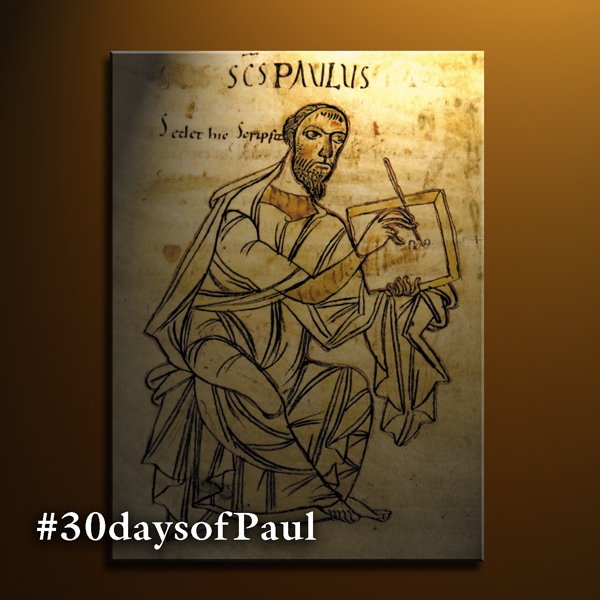
Tonight, that’s what I’m doing.

These three selections from 2 Corinthians – 1:1-2:13; 7:5-16; 8-9 – all make up one letter, broken up by a couple others. They are known collectively as the “letter of reconciliation,” and appear to be written in response to Corinth’s reception of his “letter of tears,” which we tackled earlier in chapters 10-13.

So I just want to touch on the “letter of reconciliation” here, and get us caught up and ready to jump back in tomorrow.

The letter of reconciliation is a lot like the letter of tears: light on theology, more concerned with Paul’s relationship to the church at Corinth. He writes to them here to commend them for their response to his previous letter. It seems a single individual – a member of the church at Corinth – was responsible for the charges Paul answered in his earlier letter.

Although they were first angry and then grieved at his letter, Paul indicates they used it as an opportunity to grow. He says in 7:11,

“For see what earnestness this godly grief has produced in you, what earnestness to clear yourselves, what indignation, what alarm, what longing, what zeal, what punishment! At every point you have proved yourselves guiltless in this manner.”

Paul’s love for the church at Corinth shines through in his words to them here. He also encourages them to forgive and love the individual who caused this rift, just as he has committed to forgive and love him.

Finally, in chapters 8 and 9, he encourages them to give out of their abundance to the impoverished churches at Macedonia, commends Titus and other workers to them as they travel to Jerusalem, and then reminds them of their duty to take a collection for the church at Jerusalem to send with Titus.

In light of the previous letter in 10-13, I found this one very interesting, to see Paul making amends after his outburst. He seems almost embarrassed by the way he acted previously, making excuses for not visiting them in the meantime that seems to be covering up the shame he feels and his desire to not have to confront them face-to-face. The personal side of Paul we get in these letters is so fascinating for exploring him as a human being, and not some otherworldly Saint.

Thanks for tolerating my tardiness. Now, we are caught up! I promise to keep it that way over the final 11 days of #30daysofPaul.

Next: Philemon

For a PDF of the 30 Days of Paul reading plan, click here.

2 Corinthians 10-13: Paul the Regular Guy #30daysofPaul

I’ll be honest: I’m having a really hard time with 2 Corinthians here.

In case you couldn’t tell.

It must be the jumbled nature of it, how there is no narrative flow here because of it being four different letters spliced together. Or maybe it’s the nature of the content, of the little petty things Paul is addressing here, in contrast to the big theological concepts of Galatians, and 1 Corinthians and Romans.

But I’m just really having a hard time finding themes to riff on.

Today’s not much different. We have four uninterrupted chapters here, but Paul spends it being sarcastic and angry and listing his own qualifications as an apostle against those moving in on his territory and trying to turn the church at Corinth against him.

Ugh.

But then, maybe that’s the point here. While not theologically the most enlightening parts of the Bible, these letters provide an extraordinary window in the world of the first century church. Here, we see Paul addressing the everyday, small issues that plagues him and his churches. He gets involved in petty spats, and goes after other teachers, and answers small criticisms and questions.

Just like us.

Maybe this letter, and the others from the last couple days, can show us that Paul and Peter and James weren’t superheroes or something. They were regular people, leading and guiding other regular people, dealing with regular, everyday issues.

I’m liking this more and more. Try reading today’s chapters in the Message translation. The modern language fits this passage better, as it translates the struggles Paul had here, and the irony and derision and mockery he writes with, better than a word-for-word translation.

And just enjoy knowing that St. Paul the Super-Apostle wasn’t so different from us.

Next: 2 Corinthians 1:1-2:13, 7:5-16, 8-9

For a PDF of the 30 Days of Paul reading plan, click here.

2 Corinthians 4-6:13; 7:2-4: Everything Has Become New! #30daysofPaul

I want to refocus. I want to get this #30daysofPaul series back on track. I’ve fallen behind, shirked my duties, lost focus. So let’s take a deep breath, center ourselves and realign.

When I started this, I said I wanted to read Paul with a focus on liberation theology. I’ve hit that bits and pieces throughout, but not in any consistent or meaningful meaner.

But this passage is the perfect one to jump back in on.

Why do we liberate?

What is the purpose of working towards liberation for all of humanity?

What is the utility of viewing the Gospel from the perspective of those who labor?

Those who are shackled?

Those who are oppressed?

Those held in bondage?

We liberate because our faith has made us free from the hold of sin, as embodied by the law. Because we find ourselves free from these spiritual bonds, we must also work to make ourselves free of all bonds that hold us back from living in relationship with God. We must break all the chains that hold us back from truly living into our imago dei.

And not just our chains. We must work to break all chains, for all people, especially those who cannot do for themselves.

The only way to do this work of liberation is to live into the existence of those who need liberation the most. We can only identify their bonds, and participate in their liberation, by becoming as they are, by seeing the world through their eyes. We must live to serve the other.

Only then can we open the shackles, and break their chains.

Here is 2 Corinthians, in the second part of his letter defending his ministry, Paul describes the life of faith, achieved through reconciliation with God. In 5:17, he says:

“So if anyone is in Christ, there is a new creation; everything old has passed away; see, everything has become new!”

Here, we can see the final step of liberation. The work towards freedom is the work of shedding our old selves, and becoming new, becoming whole and healthy and liberated and holy.

Why do we liberate?

Because we are compelled by our relationship with God to make all things new.

Paul warns that the fruits of our work for liberation may not always be apparent to the world. “We are treated as impostors, and yet are true; as unknown, and yet are well known; as dying, and see – we are alive; as punished, and yet not killed; as sorrowful, yet always rejoicing; as poor, yet making many rich; as having nothing, and yet possessing everything.”

The burdens we carry will be enough to crush us; nothing will be given easily. But it is the only way. Only by working to liberate, to make all things new, are we doing the will of God. This is what bringing the Kingdom of God looks like.

The Kingdom is a place where all are freed from the burdens they carry.

But the Kingdom doesn’t just come about on it’s own. Only by our hard work:

feeding

clothing

freeing

serving

dying to ourselves to become new again.

Only then will we see the Kingdom on Earth.

Next: 2 Corinthians 10-13

For a PDF of the 30 Days of Paul reading plan, click here.