
Advent and Christmas are two crucial elements of the yearly church calendar, 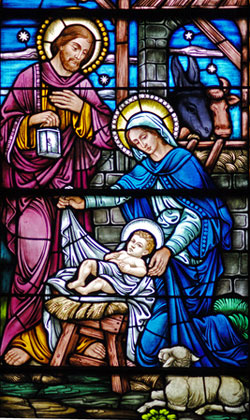 trailing only Easter and Pentecost in ultimate significance. The birth of Christ, and the period of hope and expectation leading up to it, is a season of celebration for the church, perhaps the most beloved time of year, with the most well-known and loved hymns and traditions. At the center of it all is the Biblical story of the Nativity, the birth of Jesus Christ, in a manger, in Bethlehem.
Yet, for Christians who read the Bible critically, with historical and cultural context scrutiny, it can also be a difficult season. Studying the text alongside commentaries and analysis reveals the shaky factual foundation of such things as the Roman census, the location of Bethlehem, the appearance of the magi, the identities and attributes of Mary and Joseph, the Virgin Birth, and the date of December 25th. The question emerges, what is left of Advent and Christmas when this foundation is shaken? How can we find meaning and power in a story that largely appears to be myth and embellishment?
These are the questions I want to answer with this series, Myths of the Nativity. These are questions I have struggled with and pondered, and I want to share that struggle and opportunity for new understandings here, with others who may feel the same way.
Over the next few days, we are going to discuss and think about several different topics pulled from the Nativity:
- Mary, Joseph and the Virgin Birth
- Bethlehem vs. Nazareth
- The Adoration: Magi and Shepherds
- the Flight to Egypt and Herod’s Decree
- The Meaning of December 25th, Christmas Trees, Advent
- Jolly Old St. Nick
All in all, over the course of a week, I want to look at how we, as critical readers of the Biblical text, can learn to think about and talk about the story of Jesus’ birth, and what Christmas means in light of all this.
I encourage you to participate: please comment, question, challenge, and doubt what I say, and join in learning about a new way of looking at Christmas.
 Justin DaMetz